Cardiovascular Disease
-
Cardiovascular Disease Related Products (9034)
Related Products (9034)

-
Antibodies (4)
-
Related Compound Screening Libraries (2)
-
Dexamethasone
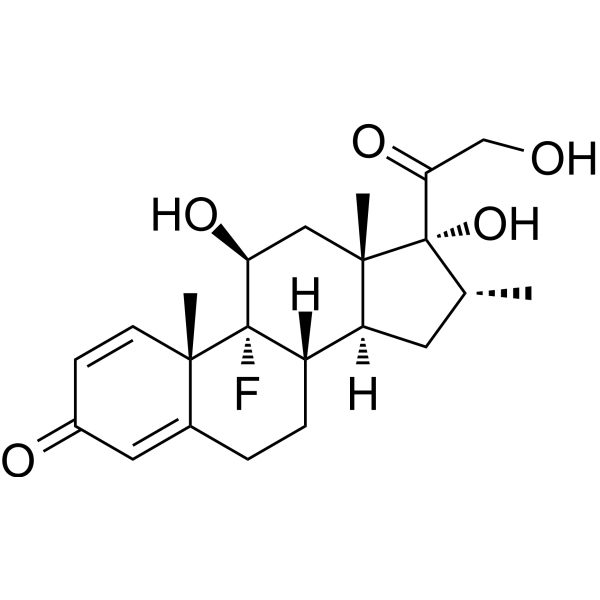 0 Images
Dexamethasone (Hexadecadrol) is a glucocorticoid receptor agonist, apoptosis inducer, and common disease inducer in experimental animals, constructing models of muscle atrophy, hypertension, and depression. Dexamethasone can inhibit the production of inflammatory miRNA-155 exosomes in macrophages and significantly reduce the expression of inflammatory factors in neutrophils and monocytes. Dexamethasone also has potential for use in COVID-19 research.
-
Forskolin
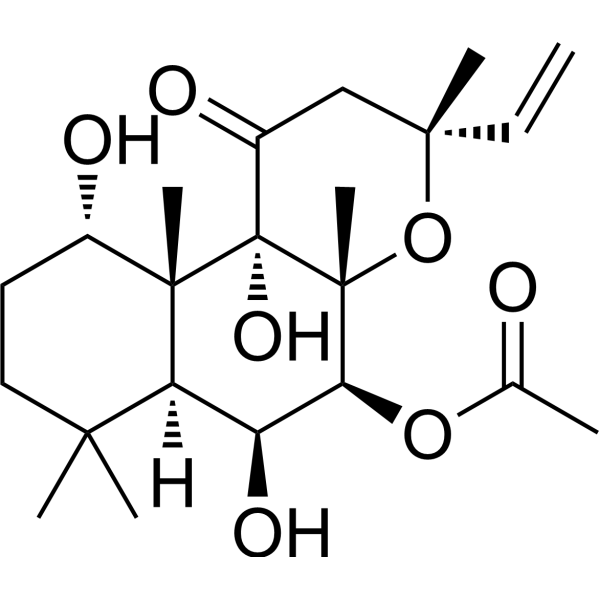 0 ImagesSynonyms: Coleonol; Colforsin; HL 362
Forskolin (Coleonol) is a potent adenylate cyclase activator with an IC50 of 41 nM and an EC50 of 0.5 μM for type I adenylyl cyclase. Forskolin is also an inducer of intracellular cAMP formation. Forskolin induces differentiation of various cell types and activates pregnane X receptor (PXR) and FXR. Forskolin exerts a inotropic effect on the heart, and has platelet antiaggregatory and antihypertensive actions. Forskolin also induces autophagy.
-
Angiotensin II human
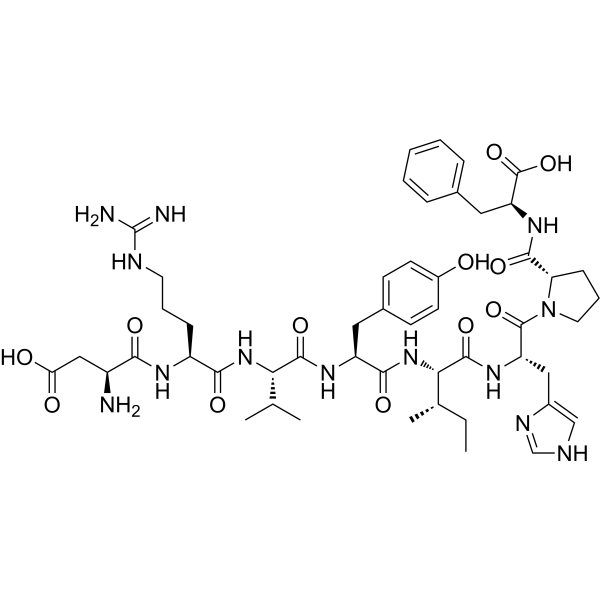 0 Images
Angiotensin II (Angiotensin II) is a vasoconstrictor and a major bioactive peptide of the renin/angiotensin system. Angiotensin II human plays a central role in regulating human blood pressure, which is mainly mediated by interactions between Angiotensin II and the G-protein-coupled receptors (GPCRs) Angiotensin II type 1 receptor (AT1R) and Angiotensin II type 2 receptor (AT2R). Angiotensin II human stimulates sympathetic nervous stimulation, increases aldosterone biosynthesis and renal actions. Angiotensin II human induces growth of vascular smooth muscle cells, increases collagen type I and III synthesis in fibroblasts, leading to thickening of the vascular wall and myocardium, and fibrosis. Angiotensin II human also induces apoptosis. Angiotensin II induces capillary formation from endothelial cells via the LOX-1 dependent redox-sensitive pathway.
-
Metformin
 0 Images
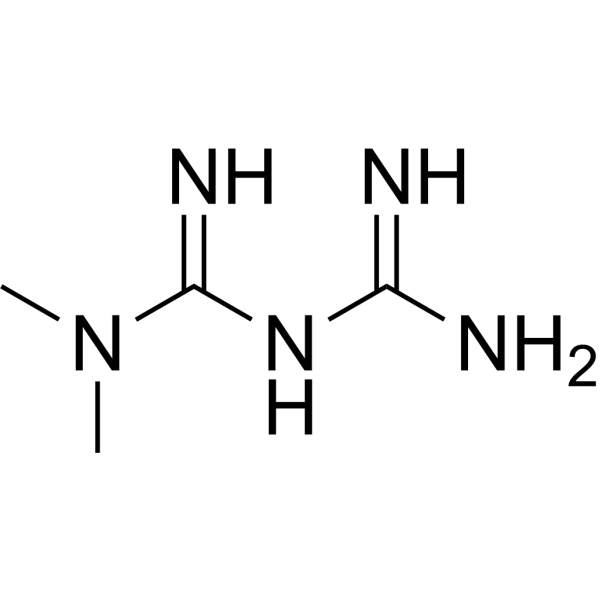
Metformin (1,1-Dimethylbiguanide) inhibits the mitochondrial respiratory chain in the liver, leading to AMPK activation and enhancing insulin sensitivity, and can be used in the study of type 2 diabetes. Metformin exerts central glucose-lowering effects by inhibiting Ras-related protein 1 (Rap1) in SF1 hypothalamic neurons. Metformin also inhibits liver oxidative stress, nitrosative stress, inflammation, and apoptosis caused by liver ischemia/reperfusion injury. In addition, Metformin regulates the expression of autophagy-related proteins by activating AMPK and inhibiting the mTOR signaling pathway, thereby inducing tumor cell autophagy and inhibiting the growth of renal cell carcinoma in vitro and in vivo.
-
Palmitic acid
 0 Images
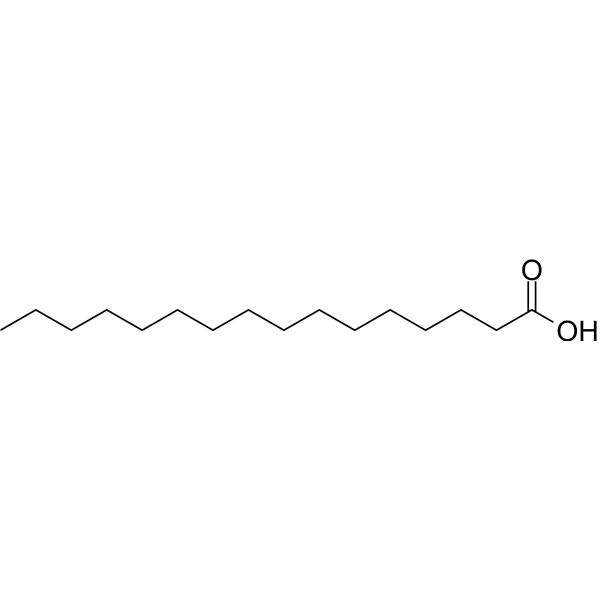
Palmitic acid is a long-chain saturated fatty acid commonly found in both animals and plants. PA can induce the expression of glucose-regulated protein 78 (GRP78) and CCAAT/enhancer binding protein homologous protein (CHOP) in in mouse granulosa cells. Palmitic acid is used to establish a cell steatosis model.
-
ML385
 0 Images
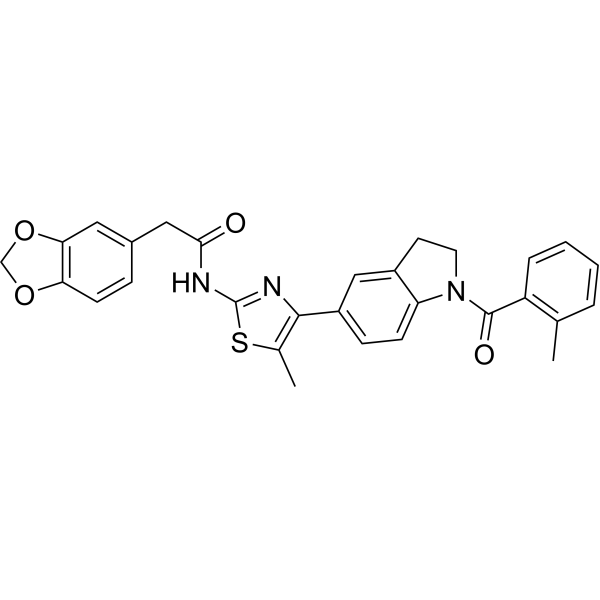
ML385 is a potent and selective Nrf2 inhibitor with an IC50 of 1.9 μM. ML385 directly binds to the Neh1 domain of NRF2, interferes with the binding of the MAFG-NRF2 protein complex to the antioxidant response element (ARE) DNA sequence, thereby blocking the expression of downstream target genes of NRF2. ML385 can be used in studies related to adult T-cell leukemia, breast cancer, myocardial ischemia/reperfusion injury, non-small cell lung cancer, esophageal squamous cell carcinoma, head and neck squamous cell carcinoma, and lung squamous cell carcinoma.
-
Estradiol
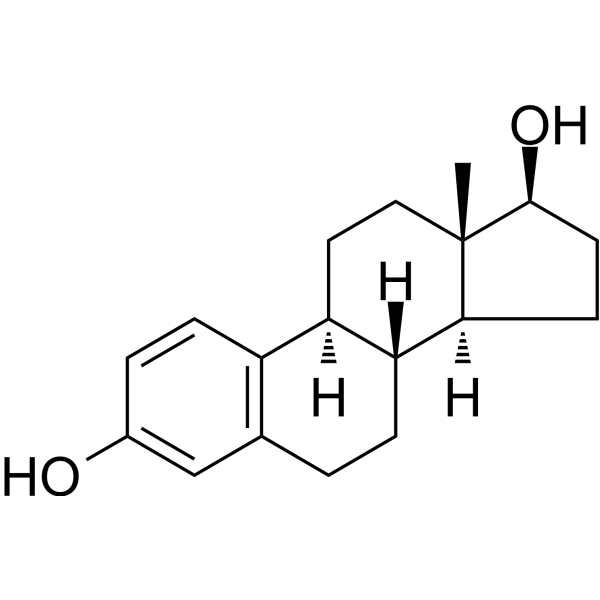 0 ImagesSynonyms: β-Estradiol; E2; 17β-Estradiol; 17β-Oestradiol
Estradiol (β-Estradiol) is a steroid hormone and the major female sex hormone. Estradiol can up-regulate the expression of neural markers of human endometrial stem cells (hEnSCs) and promote their neural differentiation. Estradiol can be used for the research of cancers, neurodegenerative diseases and neural tissue engineering.
-
Yoda 1
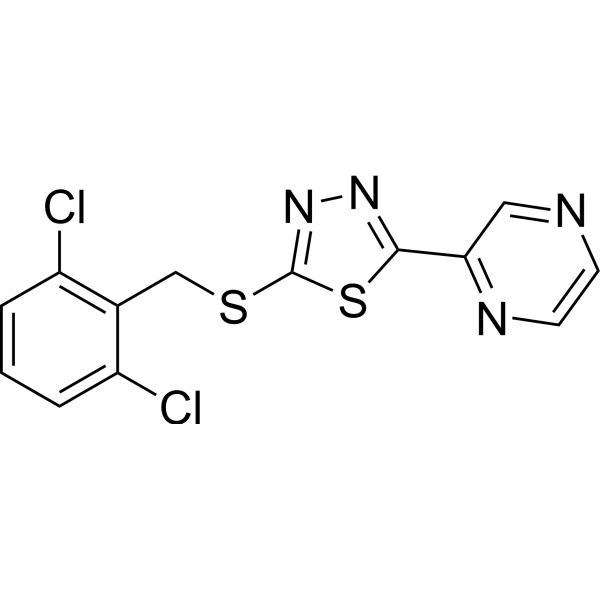 0 Images
Yoda 1 is a potent and selective Piezo1 agonist. Yoda 1 activates purified Piezo1 channels. Yoda 1 potently inhibits macropinocytosis induced by epidermal growth factor (EGF). Yoda 1 enhances Ca2+ influx followed by activation of the calcium-activated potassium channel KCa3.1 and inhibition of Rac1 activation.
-
GsMTx4
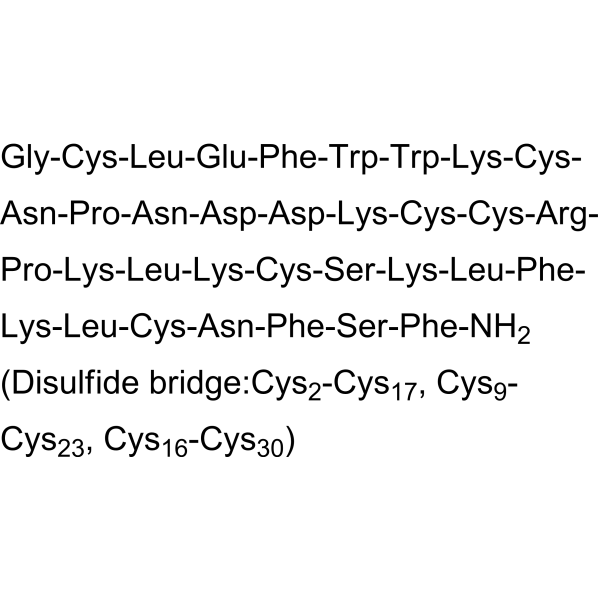 0 Images
GsMTx4 is a spider venom peptide that selectively inhibits cationic-permeable mechanosensitive channels (MSCs) belonging to the Piezo and TRP channel families. GsMTx4 also blocks cation-selective stretch-activated channels (SACs) , attenuates lysophosphatidylcholine (LPC)-induced astrocyte toxicity and microglial reactivity. GsMTx4 is an important pharmacological tool for identifying the role of these excitatory MSCs in normal physiology and pathology.
-
MK-2206 dihydrochloride
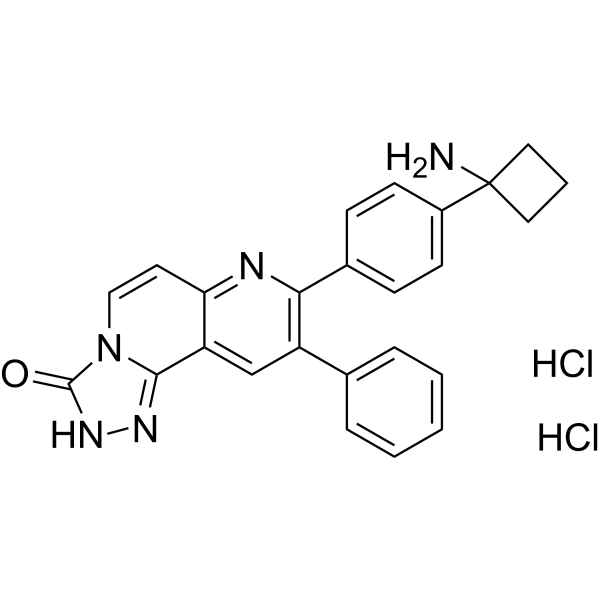 0 ImagesSynonyms: MK-2206 (2HCl)
MK-2206 dihydrochloride (MK-2206 2HCl) is an orally active pan-AKT inhibitor, with IC50 values of 8 nM, 12 nM and 65 nM against AKT1, AKT2 and AKT3, respectively. MK-2206 dihydrochloride inhibits the Akt/mTOR signaling pathway and reduces the levels of downstream GSK3β and Mcl-1 via proteasomal degradation. MK-2206 dihydrochloride induces G1-phase cell cycle arrest, apoptosis, epithelial-mesenchymal transition, fibroblast activation and extracellular matrix deposition. MK-2206 dihydrochloride causes transient hyperglycemia and hyperinsulinemia in animals. MK-2206 dihydrochloride can be used in research related to solid tumors, renal fibrosis and hypercholesterolemia.
-
Prostaglandin E2
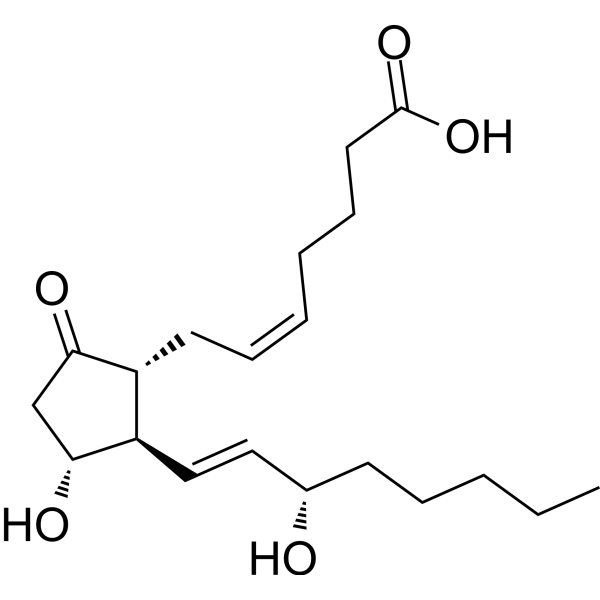 0 Images
Prostaglandin E2 (PGE2) is a hormone-like substance that participate in a wide range of body functions such as the contraction and relaxation of smooth muscle, the dilation and constriction of blood vessels, control of blood pressure, and modulation of inflammation.
-
Cholesterol (from animal)
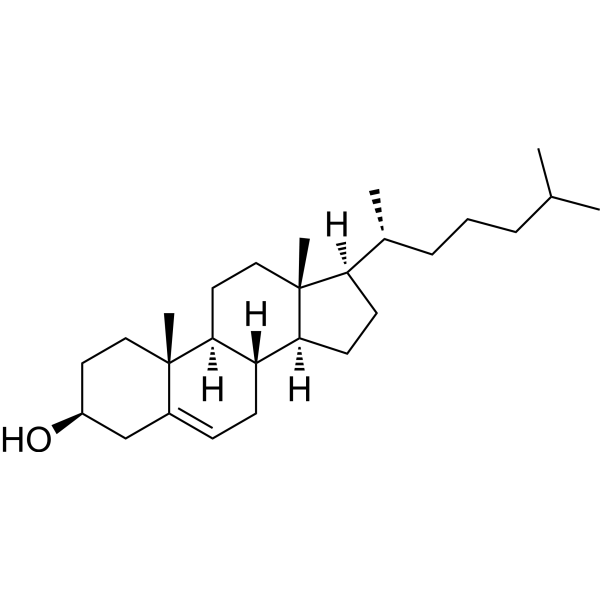 0 Images
Cholesterol (from animal) is the major sterol in mammals. It is making up 20-25% of structural component of the plasma membrane. Plasma membranes are highly permeable to water but relatively impermeable to ions and protons. Cholesterol (from animal) plays an important role in determining the fluidity and permeability characteristics of the membrane as well as the function of both the transporters and signaling proteins. Cholesterol (from animal) is also an endogenous estrogen-related receptor α (ERRα) agonist.
-
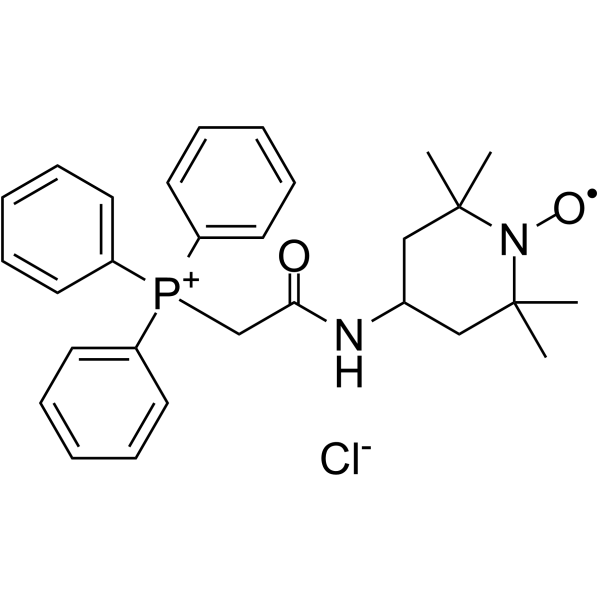
Mito-TEMPO
 0 Images
Mito-TEMPO is a mitochondria-targeted antioxidant. Mito-TEMPO induces mitophagy by activating the PINK1/Parkin pathway, inhibits NLRP3 inflammasome activation, restores mitochondrial membrane potential, and improves renal function and podocyte injury. Mito-TEMPO regulates Ca2+ homeostasis, inhibits Bnip3 overexpression, shortens action potential duration, and exerts antiarrhythmic effects. Mito-TEMPO reverses premature senescence, reduces trabecular bone loss, and decreases cell apoptosis. Mito-TEMPO can be used in studies of chronic kidney disease, age-related cardiac dysfunction, postmenopausal osteoporosis, and ischemic stroke.
-
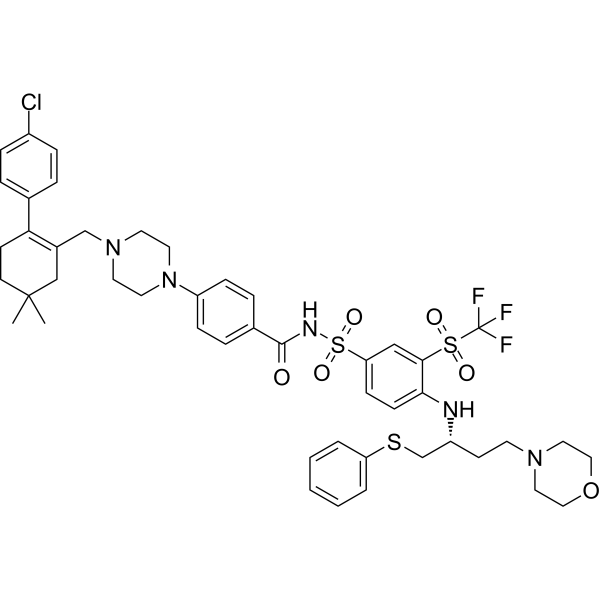
Navitoclax
 0 ImagesSynonyms: ABT-263
Navitoclax (ABT-263 ) is an orally active BH3 mimetic and an inhibitor of Bcl-2, Bcl-xL, and Bcl-w, with a Ki value of <1 nM for each target. Navitoclax triggers endogenous Apoptosis and downregulates the expression of Survivin and TGFβ2. Navitoclax alleviates fibrosis and induces thrombocytopenia. Navitoclax exhibits anticancer activity against a variety of tumors and enhances the efficacy of chemotherapy and radiotherapy. Navitoclax can be used in the research of acute lymphoblastic leukemia, ovarian cancer, and fibrotic diseases.
-
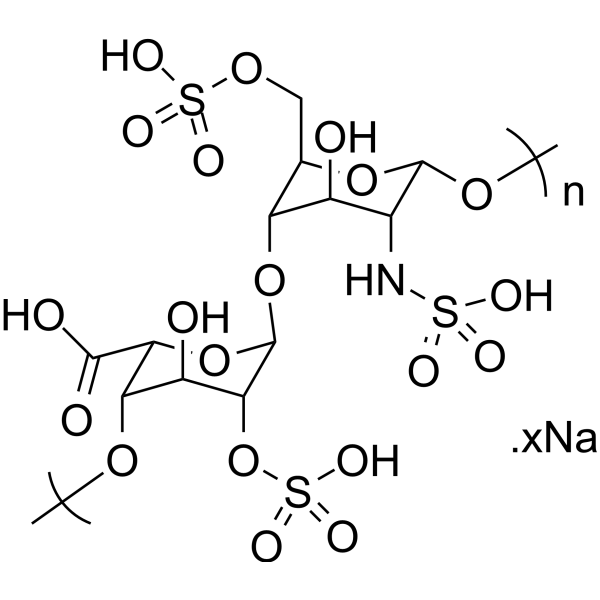
Heparin sodium salt
 0 Images
Heparin sodium salt (Sodium heparin) is an anticoagulant which binds reversibly to antithrombin III (ATIII) and greatly accelerates the rate at which ATIII inactivates coagulation enzymes thrombin factor IIa and factor Xa. Heparin sodium salt significantly inhibits exosome-cell interactions.
-
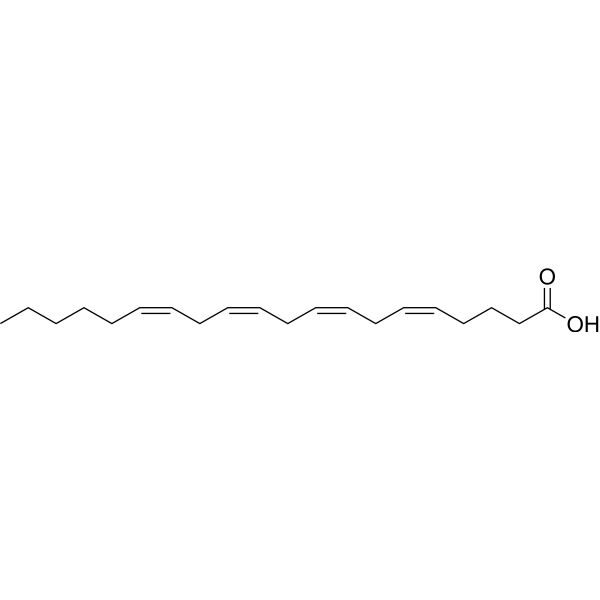
Arachidonic acid
 0 Images
Arachidonic acid (Immunocytophyt) is a polyunsaturated omega-6 fatty acid and a major constituent of biomembranes. Arachidonic acid also acts as the substrate for various lipid mediators, such as prostaglandins (PGs). Arachidonic acid improves cognitive response and cardiovascular function.